Automatic Generators: The Essential Fix for Uninterrupted Power Supply
Standby generators act as an essential defense when the power goes out. They function seamlessly, switching on in moments when power fails. Fueled by various energy sources, the generators ensure facilities stay running during emergencies. Yet, knowing their advantages and specifications is essential for making the right conclusion. Which factors must be reviewed before investing in this type of unit? The next segments discuss these important factors.
The Mechanics of Backup Power: Their Operation
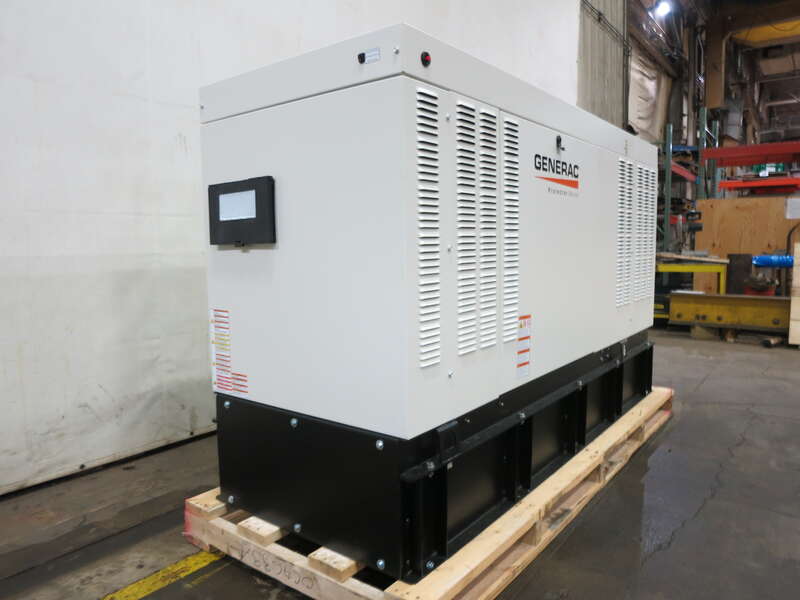
Backup generators are critical units that provide automatic backup power during outages. These units are usually placed outside the structure, connected to the electrical system and running on gas, propane, or diesel. When a power interruption occurs, the system recognizes the lack of power and activates within seconds. This process involves an automatic transfer switch, which disconnects the home from the grid and links it to the backup unit
(Portland Standby Generators)The system starts creating electricity, feeding electricity to vital loads or the complete structure, based on its size. Most standby generators feature an internal tracking mechanism that guarantees proper functioning and upkeep. These units run for long durations, delivering dependable electricity until the public power returns. Grasping how backup generators work allows residents to recognize their value in enhancing energy security and minimizing disruptions when the power suddenly fails
Advantages of Owning a Backup System
Reliability is a significant advantage of installing a standby generator, because it provides constant power when the power fails. This essential feature assures that facilities stay running, protecting valuable assets and maintaining comfort. Furthermore, these generators improve protection by mitigating grid failures that might cause dangerous conditions, such as frozen pipes or medical equipment failures.
Value for money is another benefit; while the initial investment may be substantial, the savings over time from preventing food waste, business interruption, and unexpected fixes can be significant. Moreover, backup power systems add value to the property, which makes them an appealing amenity for prospective purchasers.
The ease of use is also important, as they turn on automatically during an outage, eliminating the need for hands-on operation. This uninterrupted functionality allows users to maintain their daily routines without disruption. In summary, having a backup generator provides security, ensuring that power is always available when needed most.
Important Attributes to Consider in a Backup Power System
In the process of picking a standby generator, a few vital attributes need helpful guide to be taken into account to ensure optimal operation and appropriateness for individual requirements. To begin with, the power output is vital; potential users must calculate the necessary power to power necessary systems during an outage. Furthermore, the type of fuel—whether natural gas, propane, or diesel—affects efficiency and long-term expenditures.
An additional key element is the transfer switch, which enables smooth transition of power and boosts reliability. The robustness and construction quality are also important; a sturdy unit can cope with extreme weather.
Moreover, how loud it is needs evaluation, as quieter models are preferable for residential areas. Some generators offer self-starting features, providing convenience during sudden power failures. Finally, guarantee and maintenance plans must be examined, providing reliable support and maintenance. By evaluating these features, prospective buyers can choose a backup system that aligns with their individual power demands successfully.
Elements to Evaluate Before Purchase
Before deciding on a standby generator, potential buyers should diligently assess several essential factors to confirm they arrive at an educated choice. Portland Standby Generators. First, they must determine their wattage demands by estimating the needed power to operate critical systems during an outage. Next, the type of fuel is critical; choices are natural gas, propane, or diesel, each with unique advantages and access factors
Moreover, buyers should consider the generator's power switch mechanism, which ensures easy power switching. Installation requirements must also be considered, as some generators might require professional installation or acquiring a permit
The warranty and support options deserve close attention, since they significantly affect long-term satisfaction. Lastly, those considering a purchase must check how loud the generator is, particularly if they reside in residential areas. By considering these elements, customers may pick a backup power unit that fulfills their specific needs and preferences
Tips for Maintaining Your Standby Generator
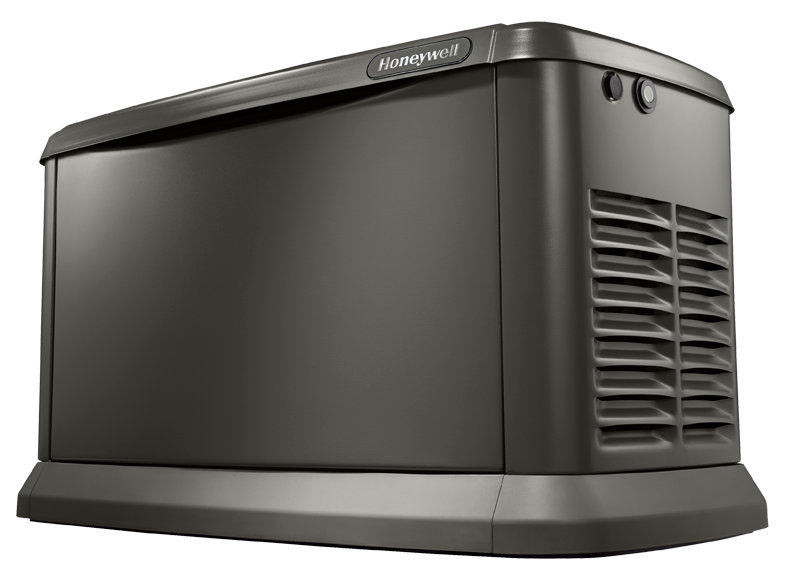
Consistent upkeep is vital for guaranteeing ideal performance and the long life of a backup generator. Owners should begin by inspecting how much oil the generator has, changing the oil and filter as recommended by the maker. Inspect the air filter often and replace it as necessary to ensure proper air circulation. It is crucial to check the battery and remove any terminal corrosion to ensure it starts reliably.
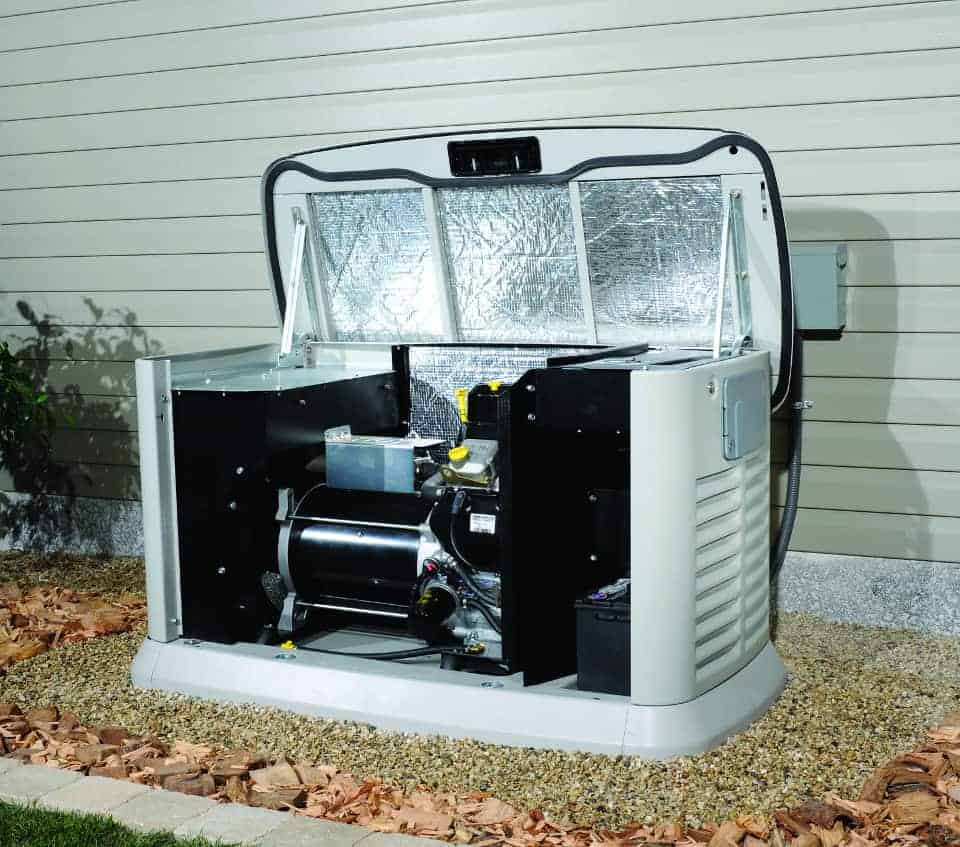
Conduct periodic load tests to confirm the generator can handle its maximum load. In addition, check that no obstructions or leaks exist in the exhaust system. Keeping the generator clean and free from debris will help prevent overheating and other issues.
Finally, arrange for expert servicing at least once a year to handle potential issues and conduct thorough checks. Following these maintenance tips will significantly prolong the life of a standby generator, offering reassurance when the power goes out.
FAQs
What is the Average Cost of Standby Generators?
Standby generators typically cost from $2,000 to $15,000, depending on factors such as brand, power capacity, and how complex the installation is. Other expenditures might cover maintenance, permits, and the cost of fuel tanks, affecting the total investment needed.
Can I Install a Standby Generator Myself?
Self-installation of a backup generator is feasible, but it requires knowledge of electrical systems and local codes. Many recommend getting a contractor to guarantee safety, compliance, and ideal performance of the generator installation.
What Energy Sources Do Standby Generators Use?
Standby generators commonly run on energy sources such as diesel, natural gas, propane, or gasoline. Portland Standby Generators. The choice of fuel is frequently influenced by availability, cost, and specific energy needs, influencing the efficiency and performance of the generator
Are There Any Permits Required for Installation?
Absolutely, installation permits are usually mandated for the installation of standby generators. Rules differ depending on the area, so it is essential for homeowners or contractors to speak to the municipal government to guarantee compliance with all relevant codes and requirements.
How Long Can a Standby Generator Run Continuously?
A standby generator can run continuously for a range of periods, usually between 24 and 48 hours, depending on fuel supply and load demands. Routine upkeep ensures peak performance and longevity during long running times.